What to Do When Your Floor Tiles Become Slippery and Unsafe in Wollongong
A wet bathroom floor is expected. A bathroom floor that has become genuinely difficult to stand on safely is a different problem. Slippery tiles are one of the more common household hazards, and they tend to develop gradually rather than all at once, which is part of why they get ignored until someone nearly falls.
The causes vary, the solutions range from simple maintenance through to full tile replacement and the right response depends on what is actually causing the problem.
Why Tiles That Were Once Safe Can Become Slippery Over Time
New tiles rarely feel slippery, but the same surface can become hazardous over years of use. The most common reasons tiles lose their grip include:
Surface wear on glazed tiles gradually polishes the texture away, reducing the friction that makes a tile feel safe underfoot
Soap scum, body oils and cleaning product residue build up on the surface and in grout lines, creating a film that becomes slick when wet
Hard water mineral deposits coat the tile surface and alter how it interacts with moisture
Some tiles were not the right choice for wet area use and were installed without adequate slip resistance for the application
Identifying which of these applies determines whether cleaning, treatment or replacement is the right course of action.
Soap and Grease Buildup Is Often the First Thing to Rule Out
Before assuming tiles need treatment or replacement, it is worth establishing whether a thorough professional clean resolves the problem. Residue from soaps, shampoos, cooking grease and foot traffic accumulates faster than most people realise and creates a film that is almost invisible but significantly reduces grip. Signs that buildup is likely contributing include:
- Tiles feel more slippery immediately after cleaning with standard household products
- A dull or slightly hazy appearance on tiles that were once brighter
- Grout lines that have discoloured or feel slimy to the touch
- Slipperiness is worst in high-use areas such as directly in front of the shower or near the stove
A professional tile clean using appropriate degreasers can restore grip on tiles where buildup is the primary cause.
Anti-Slip Treatments Can Restore Grip Without Replacing the Tile
For tiles where surface wear or texture loss is the issue, anti-slip treatments offer a practical option that does not require full replacement. These products work by chemically etching the tile surface at a microscopic level, creating additional grip without visibly altering the tile's appearance. Points to understand include:
- They are most effective on glazed ceramic and porcelain tiles where the original texture has worn smooth
- Incorrect application can affect tile appearance, so familiarity with the product matters
- Results vary depending on tile type and condition; not all tiles respond equally
- Treated surfaces still require regular cleaning to maintain effectiveness over time
Anti-slip treatments are a cost-effective middle ground between accepting a hazardous surface and committing to full replacement.
When the Original Tile Choice Was the Problem
Some slipperiness problems stem from an installation decision rather than wear or buildup. Tiles are rated for slip resistance, and a tile with a low rating installed in a wet area will feel unsafe regardless of maintenance. Situations where the original tile choice may be the issue include:
- Polished or semi-polished floor tiles installed in bathrooms or around pools
- Wall tiles used as floor tiles, which are often not rated for the same slip resistance requirements
- Outdoor tiles that have degraded under UV exposure and weathering
- A renovation where aesthetics were prioritised over wet area suitability
In these cases, tile replacement is often the more reliable long-term solution than treatment alone.
Outdoor and Alfresco Tiles Present a Distinct Set of Challenges
Outdoor tiles face conditions that indoor tiles do not. Moss, lichen and algae growth in shaded or moist areas creates a biological film that is extremely slick when wet and cannot be resolved by standard cleaning. Key factors specific to outdoor tile slipperiness include:
- Biological growth in sheltered areas that receive limited sun and stay damp
- Porous outdoor tiles that absorb moisture and take longer to dry
- Surface degradation from UV exposure or salt air in coastal environments
- Leaf debris that breaks down on the surface and creates a slippery layer
Outdoor tile problems often require specialist cleaning, biological treatment and an assessment of whether the tile is still fit for purpose.
The Safety and Legal Considerations Property Owners Should Understand
Slippery tiles represent a genuine safety risk and, for landlords and property managers, a potential liability issue. Property owners have practical and legal reasons to address the problem promptly. Key considerations include:
- Landlords in New South Wales have an obligation to maintain rental properties in a safe condition, which includes wet area floor surfaces
- A fall on a known hazard that was not addressed can expose property owners to liability
- Homes where elderly residents or young children are present carry a higher risk from slippery surfaces
- Documenting that the issue was identified and addressed provides protection in a liability context
Treating slippery tiles as a maintenance priority rather than a cosmetic issue is the appropriate response once a hazard has been identified.
How to Assess Whether Your Tiles Need Cleaning, Treatment or Replacement
Working through a simple assessment helps narrow down the right response before committing to a course of action. A practical process involves:
- Testing grip on the dry tile versus the wet tile to understand whether moisture is the primary factor
- Checking for visible residue or discolouration that suggests buildup rather than surface wear
- Running your hand across the tile to feel whether texture is present or the surface is glassy smooth
- Comparing slip resistance in high-traffic areas versus low-use areas on the same floor
If tiles in low-use areas feel significantly safer than high-traffic zones, surface wear is likely a contributing factor.
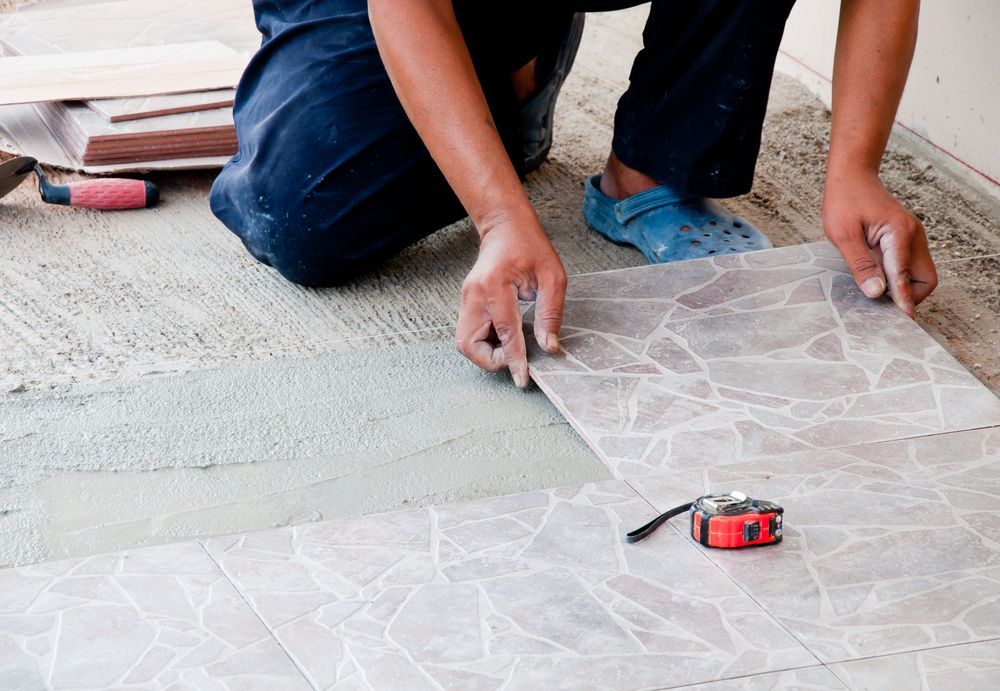
Replacing Slippery Tiles With a Surface Rated for the Application
When cleaning and treatment are not sufficient, replacement is the appropriate solution. Selecting a tile with the correct slip resistance rating ensures the problem is resolved rather than temporarily managed. Important considerations include:
- Wet area floor tiles should meet a minimum slip resistance rating appropriate for the space
- Textured, matte and stone-effect tiles generally offer better grip than polished surfaces in wet conditions
- Grout joint width affects slip resistance; wider joints with textured grout provide more grip than fine joints on a smooth surface
- Large format tiles reduce grout lines and alter the overall slip resistance profile of a floor
Getting tile selection right the second time means choosing on the basis of safety performance alongside aesthetics.
Talk to Our Team About Your Tile Safety Concerns
We at Corrimal Ceramic Tiles work with homeowners, landlords and property managers across the Wollongong and Illawarra region who are dealing with exactly this problem. The coastal environment here, with its humidity, salt air and wet conditions, accelerates the tile wear and surface degradation that leads to slipperiness. It is something tilers in Wollongong need to account for when specifying wet area and outdoor tiles.
Whether you need advice on anti-slip options for existing tiles or want to look at replacements rated for your specific application, our team can help. Wollongong tilers and homeowners are welcome to visit our showroom or get in touch to discuss what will work for your space.