Common Outdoor Tiling Problems After Heavy Rain in Wollongong
Heavy rain has a way of revealing tiling problems that stay hidden the rest of the year. If you've noticed loose tiles, cracked grout, or damp patches around your patio or pool area after a downpour, the rain hasn't caused the problem so much as exposed one that was already there.
Why Heavy Rain Exposes Hidden Tiling Problems
Outdoor tiled areas are designed to shed water, not absorb it, but a lot of the systems that make that possible sit out of view. The waterproofing membrane beneath the tiles, the falls that direct water toward drainage points, and the condition of the grout and adhesive underneath all work together during dry weather without any visible sign of strain.
Heavy rain puts sustained pressure on that whole system in a way that light, occasional showers don't. Water sits longer, seeps further into any existing gaps, and tests weak points that simply aren't exposed to the same volume or duration of moisture during a normal week. A tiled area that looks perfectly fine in dry conditions can develop visible problems within hours of sustained rain, not because the rain itself is unusual, but because it's finally putting enough water through the system to reveal where it was already compromised.
This is particularly relevant in Wollongong, where coastal conditions and higher annual rainfall mean outdoor tiled areas are under more consistent moisture pressure than tiling in drier inland regions.
Are Certain Outdoor Tiles Unsuitable for Coastal Wollongong?
Not all outdoor tiles are built with the same conditions in mind, and coastal environments like Wollongong bring a specific combination of challenges: salt-laden air, higher humidity, and more frequent heavy rain events than many inland areas. Tiles that perform well in a dry, low-moisture climate can behave very differently once they're consistently exposed to coastal air and water.
Porosity is one of the biggest factors. A tile with a higher water absorption rate will take on more moisture during rain, and if that moisture doesn't fully evaporate before the next downpour, it can contribute to efflorescence, staining, or accelerated wear on the surface. Slip resistance also matters more in a wet climate, since a tile that's technically suitable for outdoor use elsewhere may not offer enough grip once it's regularly saturated.
If you're unsure whether your current tiles are suited to coastal conditions, our range of tiles Wollongong homeowners trust can help you choose better, particularly for patios, balconies, and pool surrounds that face the brunt of coastal weather.
How Improper Waterproofing Leads to Tile Failure
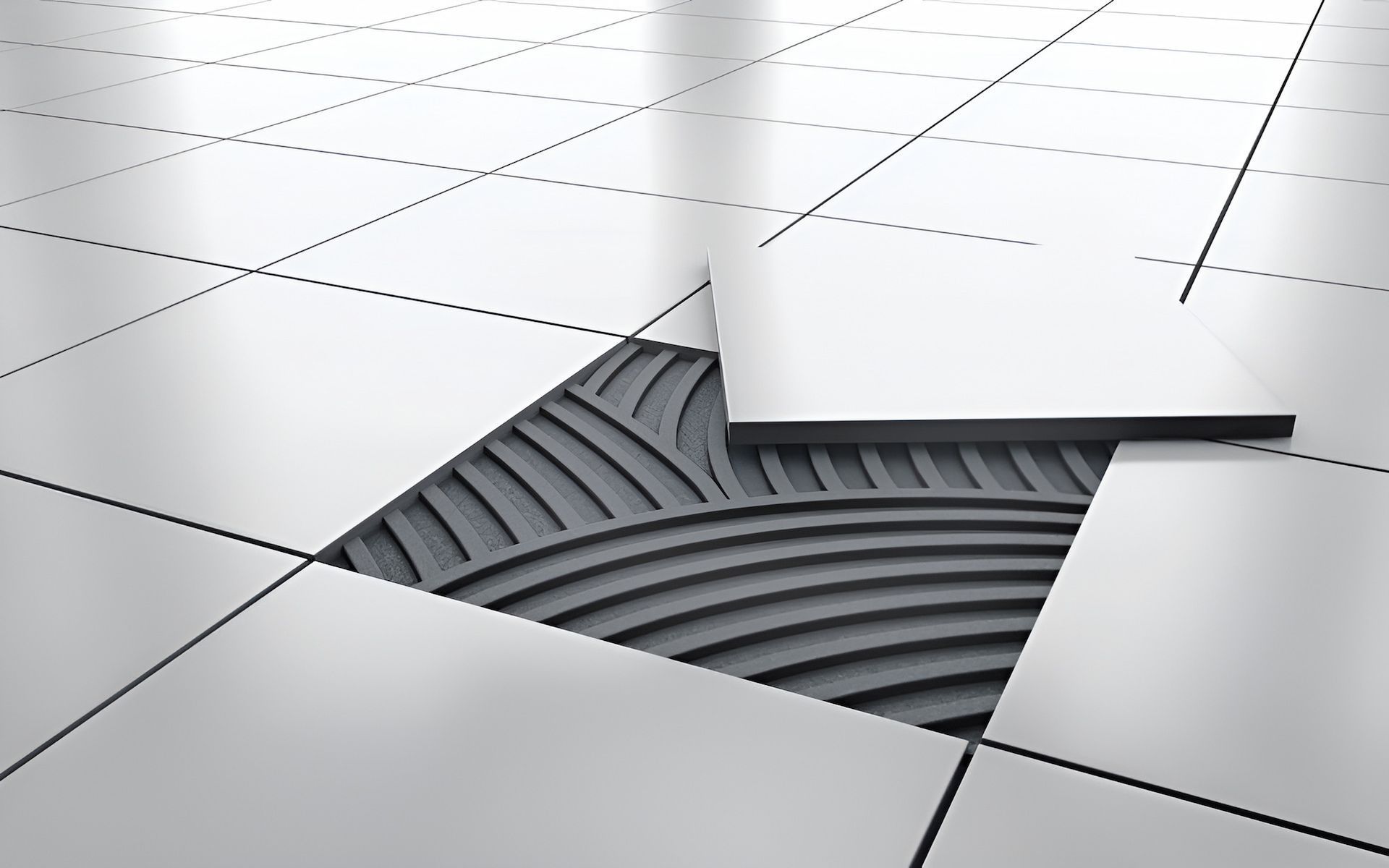
Tiles themselves are rarely the actual point of failure. In most cases, what looks like a tiling problem is really a waterproofing problem that's simply showing up at the surface. If the waterproofing membrane underneath the tiles wasn't installed correctly, or has broken down over time, water finds its way beneath the tiles instead of running off as intended.
Once water gets underneath tiles, it doesn't just sit there. It can undermine the adhesive bond holding tiles in place, leading to hollow-sounding tiles or visible movement underfoot. It can also travel further into the structure, sometimes causing damp patches or staining on walls or ceilings below an elevated tiled area, well away from where the original problem started. This is one of the reasons outdoor tiling problems often seem to appear suddenly after a big rain event, even though the underlying waterproofing failure may have been developing for months or years beforehand.
Falls also play a role here. Outdoor tiled areas need a slight gradient toward drainage points so water doesn't pool. If those falls weren't set correctly during installation, water can sit on the surface for extended periods after rain, adding more pressure to the waterproofing and grout than the system was designed to handle.
Warning Signs to Look For After Heavy Rain
A few common signs tend to show up after a heavy rain event, and they're worth checking for even if nothing looks obviously wrong at first glance.
- Hollow or loose tiles: tapping a tile and hearing a hollow sound, or feeling movement underfoot, usually points to a failed adhesive bond beneath the surface.
- Cracked or crumbling grout: grout that's cracking, crumbling, or washing out after rain is often a sign that water has been getting behind it for some time.
- Pooling water: water that doesn't drain away within a reasonable time after rain stops suggests a problem with the falls or drainage points.
- Efflorescence: white, chalky deposits on the tile surface, often a sign that moisture is moving through the tile or grout and depositing salts as it evaporates.
- Staining or damp patches nearby: discolouration on nearby walls, ceilings below elevated tiled areas, or surrounding surfaces can indicate water has travelled beyond the tiled area itself.
If cracking is part of the problem, our guide to
crack-resistant tiles can help you choose a more durable option going forward. And rain isn't the only coastal culprit affecting your tiles; we've previously looked at
why grout discolours in coastal homes, which is worth a read if discolouration is part of what you're noticing.
Getting Your Outdoor Tiles Assessed and Repaired
Once any of these signs show up, it's worth getting the area properly assessed rather than patching what's visible and hoping it holds. A cracked grout line or a loose tile is often just the most visible symptom of a waterproofing or drainage issue underneath, and addressing only the surface tends to mean the same problem reappears after the next heavy rain.
A proper assessment looks at what's happening beneath the tiles, not just what's visible on top. That means checking the condition of the waterproofing membrane, confirming the falls are directing water correctly, and identifying whether the tiles themselves are contributing to the problem through porosity or poor slip resistance in wet conditions. From there, the right fix depends on what's actually failing, whether that's a section of regrouting, a re-lay of affected tiles, or a proper waterproofing repair before any tiling work goes back down.
At Corrimal Ceramic Tiles, our licensed tilers in Wollongong can inspect the waterproofing membrane and recommend the right fix before minor damage becomes a bigger repair, so if your outdoor area has shown any of these signs recently, it's worth having it looked at properly rather than waiting for the next downpour to make the problem worse.