Porcelain Vs Ceramic Tiles Wollongong: Which Is Less Likely To Crack?
Choosing tiles is one of those decisions that seems straightforward—until you start comparing materials and realise how much performance can vary. While style and colour often get the most attention, durability is what ultimately determines how well your tiles hold up over time. Cracking, in particular, is a concern many homeowners and renovators want to avoid, especially in high-traffic areas or spaces exposed to moisture and temperature changes. Understanding the differences between porcelain and ceramic tiles goes beyond surface appearance. From density and manufacturing processes to installation methods and environmental factors, several elements influence how resistant a tile is to cracking. Taking the time to explore these details helps ensure your selection not only looks right but performs reliably for years to come.
Understanding the Core Differences Between Porcelain and Ceramic Tiles
At first glance, porcelain and ceramic tiles can appear almost identical. However, the way they are made and the materials used create meaningful differences in strength and durability. Porcelain tiles are manufactured using finer, more refined clay and fired at higher temperatures, resulting in a denser and more durable product. Ceramic tiles, while still reliable, are typically made with a coarser clay and fired at lower temperatures.
Key distinctions include:
- Porcelain tiles have a higher density and lower porosity
- Ceramic tiles are generally lighter and easier to cut
- Porcelain is often better suited to demanding environments
- Ceramic is commonly used in lower-impact areas
These differences form the foundation for how each material performs under pressure and contributes to their resistance to cracking.
How Density and Composition Affect Tile Strength
One of the most important factors in determining whether a tile is likely to crack is its density. Denser materials tend to absorb less moisture and are better able to withstand external stress.
Porcelain tiles, due to their compact composition, offer increased structural integrity. This means they are less prone to internal weaknesses that can lead to cracking over time. Ceramic tiles, while still strong, may have slightly more air pockets within their structure, making them more susceptible under certain conditions.
Factors influenced by density include:
- Resistance to pressure from foot traffic or heavy loads
- Reduced likelihood of water penetration
- Improved durability in changing temperatures
- Greater overall longevity in demanding applications
Choosing a denser tile can provide added reassurance in areas where durability is a priority.
Moisture Resistance and Its Role in Preventing Cracks
Moisture can play a significant role in tile performance, particularly in areas exposed to water or humidity. When tiles absorb moisture, they can expand slightly, which may contribute to cracking if the material is not sufficiently resilient. Porcelain tiles are known for their low water absorption rate, making them well-suited to environments where moisture is present. Ceramic tiles, while still capable, may absorb more water depending on their finish and quality.
Moisture-related considerations include:
- Expansion and contraction due to temperature changes
- Increased stress on grout lines and surrounding materials
- Potential weakening of the tile over time
- Suitability for wet or outdoor areas
Selecting tiles with strong moisture resistance can help reduce the risk of long-term damage.
Common Causes of Tile Cracking Beyond Material Choice
While the type of tile plays a role, cracking is often caused by external factors rather than the material itself. Even the most durable tile can fail if underlying issues are not addressed.
Understanding these causes is essential for making informed decisions.
- Subfloor movement or instability
- Poor surface preparation before installation
- Incorrect adhesive or installation methods
- Heavy impacts or dropped objects
- Lack of expansion joints in large areas
These factors highlight why both material selection and proper installation are critical to achieving lasting results.
Comparing Performance in High-Traffic Areas
Areas that experience frequent use place additional stress on tiles. Kitchens, hallways and entry points often require materials that can handle constant foot traffic without showing signs of wear or damage.
Porcelain tiles are commonly chosen for these environments due to their strength and resistance to surface damage. Ceramic tiles can still perform well but may be better suited to areas with lighter usage.
Performance considerations include:
- Resistance to repeated pressure and weight
- Ability to maintain structural integrity over time
- Reduced likelihood of surface chips leading to cracks
- Suitability for both residential and commercial applications
Matching the tile to the expected level of use helps ensure long-term durability.
Installation Quality and Its Impact on Tile Longevity
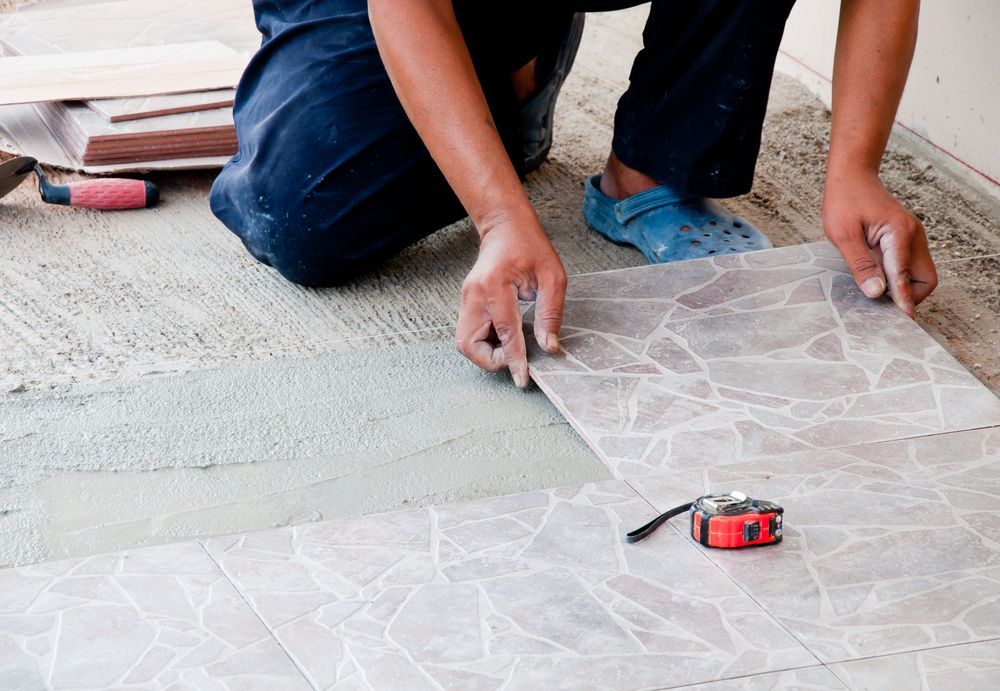
Even the strongest tile can become vulnerable if it is not installed correctly. Installation plays a major role in preventing cracks, as it ensures the tile is properly supported and secured.
Professional installation techniques help address potential weaknesses before they become issues.
- Ensuring a stable and level subfloor
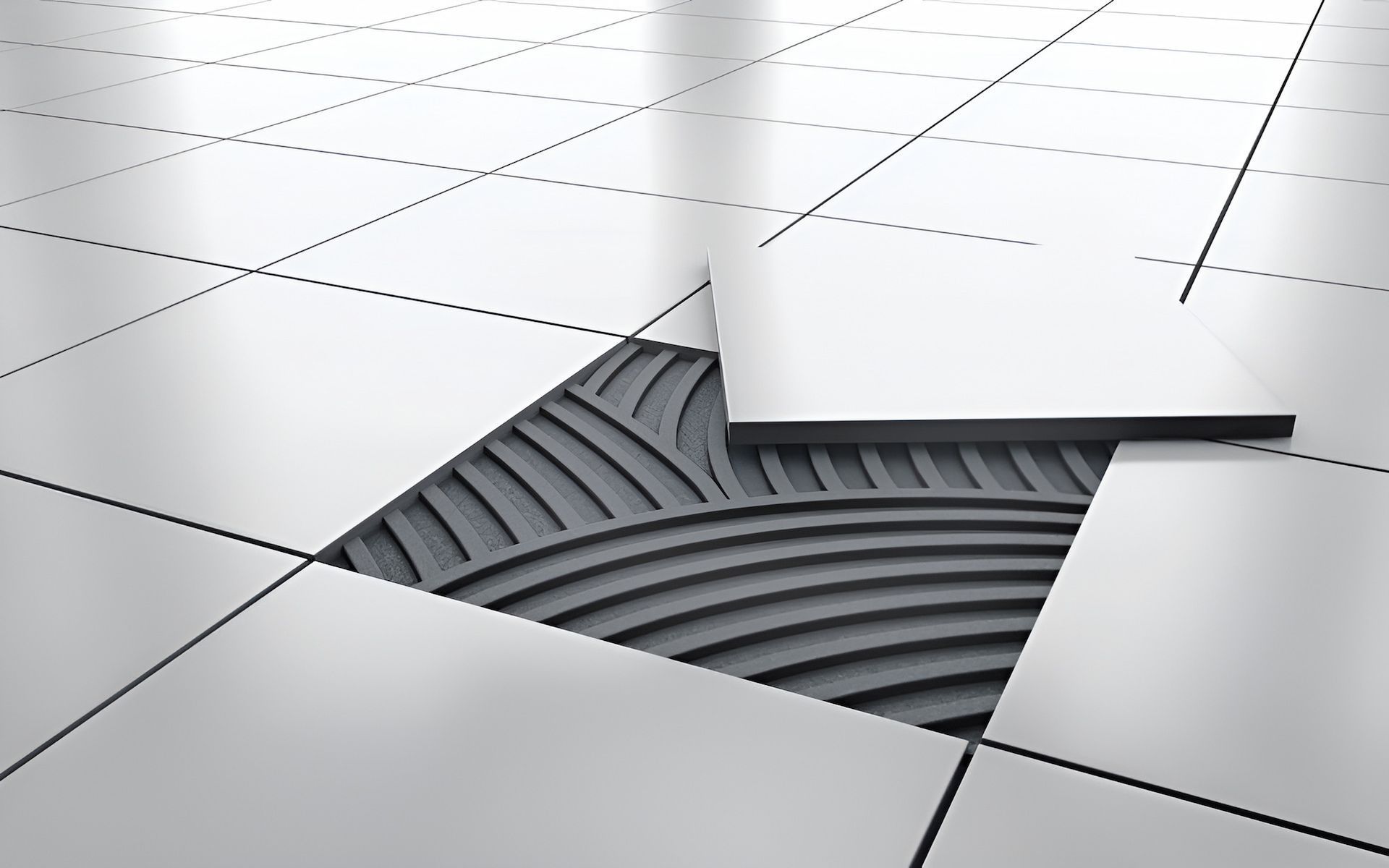
- Using appropriate adhesives and grout
- Allowing for expansion and contraction
- Applying correct spacing and alignment
A well-executed installation not only improves performance but also supports the overall lifespan of the tiled surface.
Choosing the Right Tile for Different Areas of the Home
Different spaces have different demands, and selecting the right tile for each area can help minimise the risk of cracking.
Porcelain tiles are often preferred in areas where durability is essential, while ceramic tiles can be a practical choice for decorative or low-impact spaces.
Considerations when selecting tiles include:
- Exposure to moisture and temperature changes
- Expected foot traffic and usage
- Indoor versus outdoor applications
- Structural conditions of the installation area
Balancing these factors ensures the chosen material aligns with the intended use.
Long-Term Value and Maintenance Considerations
When comparing porcelain and ceramic tiles, it’s important to think beyond the initial installation. Long-term performance, maintenance requirements and overall durability all contribute to value.
Porcelain tiles often offer greater longevity due to their strength and resistance to environmental factors. Ceramic tiles, while still reliable, may require more careful placement to avoid high-stress areas.
Long-term considerations include:
- Reduced likelihood of repairs due to cracking
- Consistent performance in varied conditions
- Ease of maintenance and cleaning
- Overall lifespan of the tiled surface
Selecting a tile that balances durability with practical use can help maintain both appearance and functionality over time.
Reach Out To Learn More
At Corrimal Ceramic Tiles, we understand that choosing between porcelain and ceramic tiles can feel overwhelming, especially in Wollongong where coastal conditions, humidity and daily wear all play a role in long-term performance. Our team provides guidance to help you select Tiles Wollongong homeowners can rely on, along with advice on proper installation to reduce the risk of cracking. Explore your options and speak with our team about your next project.