How To Prevent Bathroom Tile Mould Issues With The Right Tiles Wollongong
Bathrooms deal with constant moisture, warmth and limited airflow. Over time these conditions can allow mould to appear around tiles, grout lines and corners. Many homeowners discover that even a newly renovated bathroom can develop dark spots or mildew if the materials and layout choices do not suit the environment.
Tile mould is not only an aesthetic concern. It can affect surfaces, lead to cleaning frustrations and gradually spread into grout joints or sealant areas if moisture remains trapped. When selecting tiles for a bathroom renovation, material choice, grout selection and installation details all play a role in reducing the likelihood of mould growth.
Understanding how tiles interact with moisture, ventilation and cleaning routines can help homeowners make practical decisions before renovation work begins. The right tiles and layout choices can help limit the conditions that allow mould to develop in the first place.
Engaging professional
tilers in Wollongong is essential. Below are several factors that influence mould formation and how thoughtful tile selection and installation can help minimise the issue.
Why Bathroom Mould Appears in Tiled Areas
Bathrooms naturally generate humidity through showers, baths and hot water use. When moisture settles on surfaces and does not dry quickly, mould spores can settle and grow.
Tiles themselves are generally resistant to mould, but the surrounding materials can trap moisture if the bathroom layout does not allow water to drain or dry properly.
Common contributing factors include:
- Condensation forming on cooler tile surfaces
- Grout lines holding moisture for extended periods
- Sealants breaking down over time around corners or edges
- Limited airflow preventing surfaces from drying
- Splash zones where water frequently collects
While mould is common in bathrooms, the combination of tile type, grout spacing and layout design can influence how easily moisture escapes. This is where Wollongong tilers can help.
Choosing Tile Materials That Resist Moisture
Different tile materials react differently to water exposure. Some absorb small amounts of moisture, while others have extremely low absorption rates.
Low-porosity tiles are often used in wet areas because they limit water penetration beneath the surface. This can reduce moisture retention in the structure of the tile itself.
Material characteristics to consider include:
- Porcelain tiles, which have very low water absorption
- Glazed ceramic tiles that provide a protective surface layer
- Glass tiles that naturally resist water penetration
- Dense natural stone tiles that are sealed appropriately
Selecting tiles designed for wet environments can help reduce the chance of moisture remaining trapped beneath or within tile surfaces.
The Role of Tile Size & Layout
Tile size influences how many grout joints exist across the bathroom surface. Because grout lines can absorb moisture, large numbers of joints may increase areas where mould can develop.
Larger tiles are sometimes chosen in wet areas because they reduce the number of grout lines across floors and walls.
Layout decisions may influence mould development in several ways:
- Larger tiles reduce the number of grout joints
- Consistent layout patterns limit water pockets between uneven tiles
- Floor tile placement can guide water towards drainage points
- Wall tile alignment may reduce splash accumulation
Tile layout planning during renovation can help control how water flows and where it settles.
Understanding the Importance of Grout Selection
Grout plays a major role in tiled bathrooms. It fills the gaps between tiles and stabilises the overall installation, but it can also absorb moisture if not selected carefully.
Different grout types behave differently when exposed to water and humidity.
Grout considerations include:
- Epoxy grout which has lower water absorption
- Polymer-modified grout that resists cracking & shrinkage
- Narrow grout joints which limit moisture retention
- Sealed grout surfaces that help reduce water penetration
Grout maintenance is also important, as older grout may develop tiny gaps that allow moisture to collect beneath tiles.
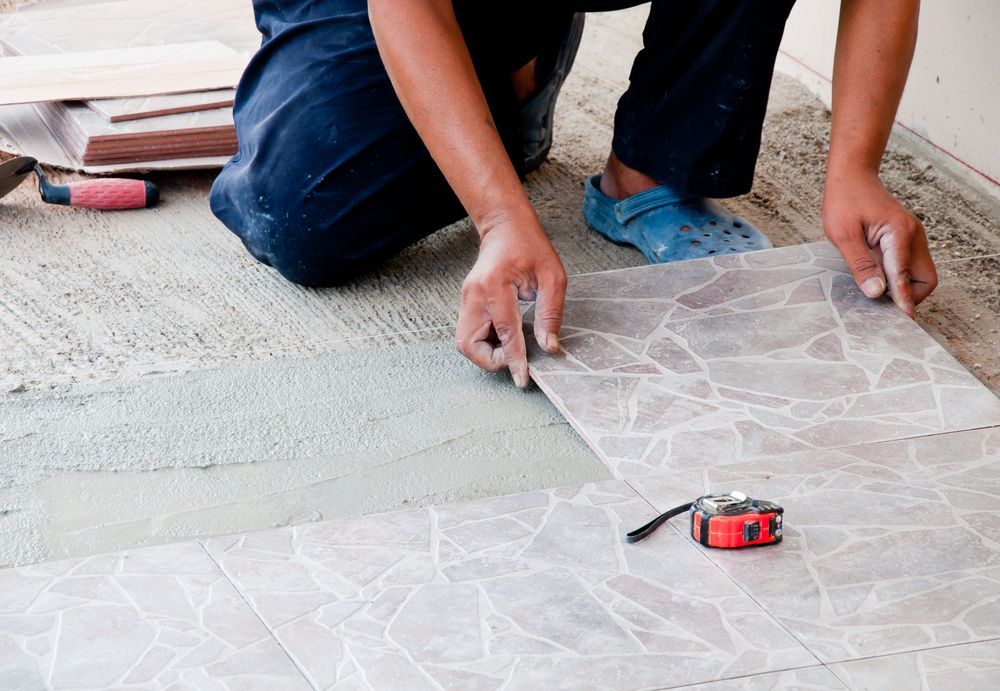
Proper Tile Installation & Water Management
The way tiles are installed affects how water moves across the bathroom. Even small installation details can influence whether moisture drains away or becomes trapped.
Careful installation practices may help reduce mould development by limiting hidden moisture.
Installation elements that influence moisture movement include:
- Floor gradients directing water towards drains
- Waterproof membranes beneath tiles in wet zones
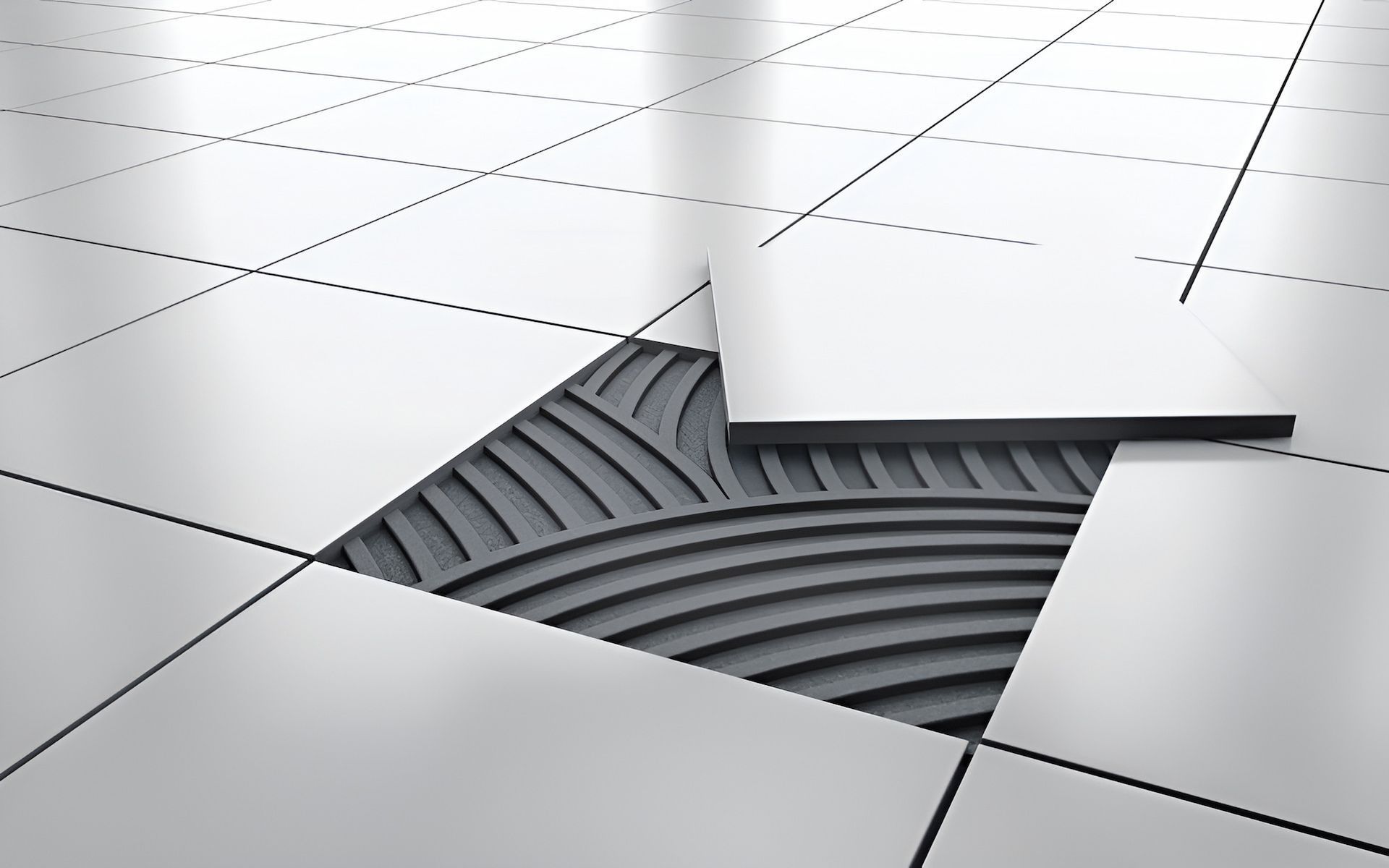
- Secure tile adhesion preventing water pockets
- Correct spacing between tiles & fixtures
When these elements are incorporated into a bathroom renovation, the tiled surface may dry more evenly after daily use.
Ventilation & Airflow Around Tiled Surfaces
Even with suitable tiles and grout, bathrooms still rely heavily on ventilation. Moisture must be able to leave the room rather than linger on surfaces.
Air movement helps tiled areas dry more quickly after showers and baths.
Ventilation improvements may include:
- Exhaust fans positioned near shower areas
- Windows that allow cross-ventilation
- Door gaps that support air circulation
- Heated towel rails that reduce ambient moisture
These measures can reduce the amount of time water remains on tiles and grout.
Cleaning Habits That Help Limit Mould Growth
Cleaning routines influence how quickly mould appears in tiled bathrooms. Soap residue, body oils and moisture can combine to create ideal conditions for mould spores.
Regular surface cleaning helps prevent these residues from accumulating in grout lines and tile edges.
Helpful maintenance habits include:
- Wiping down tiles after heavy steam or water exposure
- Using mild cleaning products designed for tile surfaces
- Removing soap buildup from corners & grout joints
- Inspecting silicone sealant around edges & fixtures
These simple habits can help keep tiled areas clearer and reduce conditions where mould may develop.
Planning a Renovation With Mould Prevention in Mind
Bathroom renovations present an opportunity to consider mould prevention from the beginning. Tile selection, layout planning and waterproofing systems all contribute to the final result.
Rather than focusing only on colour or style, many homeowners consider how materials interact with moisture over time.
Key planning considerations may include:
- Selecting tiles designed for wet environments
- Reducing unnecessary grout lines through tile sizing
- Installing waterproofing beneath tiled surfaces
- Designing layouts that encourage drainage
A thoughtful approach during the planning stage can help minimise maintenance concerns after the renovation is complete.
Get in Touch
If you are planning a bathroom renovation and want guidance on tile selection, layout considerations and moisture management, Corrimal Ceramic Tiles Pty Ltd can help you explore suitable options for your space. Our team works with homeowners seeking advice from tilers in Wollongong, particularly where coastal humidity can create challenges for tiled bathrooms.
To learn more about our tiling services or discuss your renovation plans, visit our website and get in touch with us today.