What Type Of Tiles Wollongong Homeowners Should Avoid In Wet Areas
Stepping out of the shower onto a cold, slippery tile is a familiar moment for many households, and it is one of the clearest reminders that not every tile belongs in a wet area. Bathrooms, laundries and outdoor spaces near the coast face a different set of conditions to the rest of the home, and the tile you choose plays a direct role in how safe and practical that space feels day to day. It is one of the reasons many homeowners bring in tilers in Wollongong early in the planning stage, rather than choosing a finish based on appearance alone. Before deciding on a finish, it helps to understand which tiles cause problems once water is involved, and which ones are built to handle it.
Why Wet Areas Need Extra Thought in a Coastal City like Wollongong
Wollongong's coastal climate brings higher humidity, salt-laden air and more frequent rain than many inland areas experience. This has a direct effect on how quickly surfaces dry and how much moisture bathrooms, laundries and alfresco areas are exposed to throughout the year.
A few local factors worth keeping in mind:
- Higher humidity levels mean wet areas take longer to dry out between uses
- Salt air can accelerate wear on certain glazes and grout over time
- Coastal homes often have outdoor entertaining areas that double as wet zones during rain
- Older Wollongong homes may have bathrooms and laundries that were tiled before slip resistance was a standard consideration
Because of this, a tile that performs perfectly well in a dry inland climate might not hold up the same way in a beachside suburb. Local conditions are a genuine factor in tile selection, not just a marketing point.
What Types of Tiles Become Slippery When Wet
Slipperiness usually comes down to the surface texture of a tile and how it interacts with water. Some finishes look appealing in a showroom but become a hazard the moment moisture is introduced.
Tiles that tend to become slippery when wet include:
- Polished porcelain and ceramic tiles with a mirror-like sheen
- Glossy glazed tiles, particularly in larger formats
- Smooth marble and other polished natural stone
- Tiles with minimal surface texture, regardless of material
The issue is not the material itself but the lack of grip once a thin layer of water sits on top. This is why the same tile can feel perfectly fine in a dry hallway but risky in a shower recess or around a pool edge.
Why High-Gloss and Polished Tiles are Risky in Bathrooms
High-gloss and polished tiles are popular for their appearance, particularly in feature walls or as a way to make a small bathroom feel brighter. The trade-off is that the same qualities that create the shine also reduce friction underfoot.
A few reasons these finishes cause problems in bathrooms:
- Water sits on the surface rather than being absorbed or channelled away
- Soap residue and shampoo can further reduce grip on an already smooth surface
- Bare feet on wet, polished tile have less traction than on a textured finish
- Falls in bathrooms are more likely to occur on floors than on walls, so floor selection matters more than wall selection
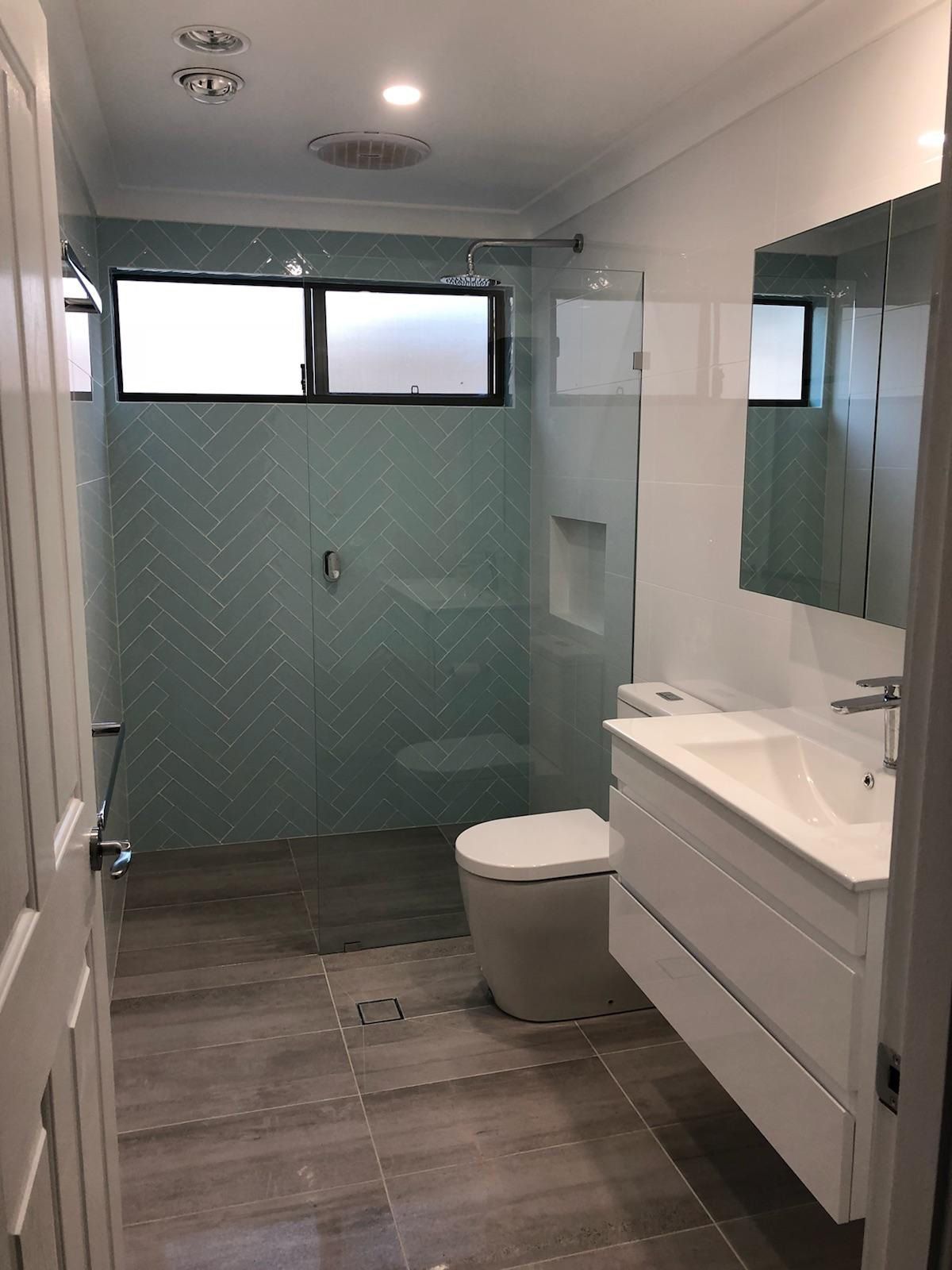
This does not mean gloss finishes need to be avoided altogether. Many homeowners use polished tiles on shower walls or as a splashback, where they are less likely to be walked on, and reserve a textured or matte finish for the floor.
Are Porous Natural Stone Tiles Suitable for Wet Areas?
Natural stone tiles such as travertine, limestone and some sandstones bring a distinctive look that many homeowners are drawn to, particularly for outdoor entertaining areas. However, these materials are naturally porous, which raises separate considerations to slip resistance.
Points to consider with porous natural stone in wet areas:
- Untreated stone can absorb water, which may lead to staining over time
- Porous tiles generally require periodic sealing to maintain water resistance
- Grout lines around natural stone can also absorb moisture if not properly sealed
- Some natural stone options are honed or textured specifically to improve grip, which can offset the porosity concern
Natural stone is not automatically unsuitable for bathrooms or laundries, but it does come with a maintenance commitment that homeowners should factor into their decision. A sealed, honed finish can work well, whereas an unsealed, polished stone is a less practical choice for a shower floor.
The Best Tile Choices for Bathrooms, Laundries, Kitchens and Outdoor Spaces
Once the slippery and high-maintenance options are set aside, there are still plenty of practical tile choices that suit Wollongong's wet areas without compromising on style.
Options that generally perform well in wet zones include:
- Matte or textured porcelain tiles, which offer better grip underfoot
- Small-format mosaic tiles, where the increased number of grout lines improves traction
- Textured or structured stone-look porcelain, which mimics natural stone without the porosity
- Tiles specifically rated for outdoor or pool surrounds, designed to handle constant exposure to water
Different rooms also call for different priorities:
- Bathrooms: textured floor tiles paired with a lower-slip-risk wall option
- Laundries: durable, low-maintenance porcelain that can handle spills and detergents
- Kitchens: a balance between slip resistance near sinks and a finish that is easy to clean
- Outdoor areas: tiles rated for exterior use that will not become hazardous when exposed to rain
How to Read Slip Ratings and Finishes Before You Buy
Australian Standard AS 4586 sets out the framework used to classify slip resistance for tiles and other flooring materials. Understanding the basics of this rating system makes it much easier to compare products before committing to a purchase.
A few practical tips when reviewing tile specifications:
- Check whether the tile has been tested and rated under AS 4586, rather than relying on the finish name alone
- Ask for the specific rating relevant to the area, since bathroom floors and outdoor paving may call for different levels of slip resistance
- Remember that a higher slip rating generally comes with a more textured surface, which can affect cleaning and appearance
- Request samples where possible, so you can see and feel the texture before deciding
If you are unsure which finish suits your bathroom, the tilers Wollongong locals trust can walk you through the safest options for your space. Reading a specification sheet is one thing, but seeing how a tile performs in a real bathroom setting is often more useful when making a final decision.
Talk to Your Local Wollongong Tilers Before You Commit
Choosing tiles for a wet area involves balancing appearance, safety and long-term maintenance, and it is easy to overlook one of these factors when focused on the others. Browsing the full range of tiles Wollongong homeowners can choose from makes it easier to compare slip-rated finishes side by side, rather than judging a tile purely on how it looks in isolation.
Getting advice before purchasing tiles can help avoid a costly mistake, particularly in a wet area where the tile cannot easily be swapped out once installed. Booking a consultation with experienced Wollongong tilers takes the guesswork out of matching tiles to each wet area, whether that is a family bathroom, a laundry or an outdoor entertaining space exposed to the coastal climate.
Ready to Choose the Right Tiles? Get in Touch Today
We at Corrimal Ceramic Tiles work with homeowners across Wollongong to select and install tiles that suit the specific demands of bathrooms, laundries, kitchens and outdoor areas. Our services include supply and installation, slip rating guidance, waterproofing coordination and tile repairs for existing wet areas. If you are planning a renovation and want advice tailored to your home, get in touch with our tilers in Wollongong to discuss your project and arrange a time to view samples suited to coastal conditions.
Frequently Asked Questions
Are all polished tiles unsafe for bathrooms?
Not necessarily, but polished tiles are generally better suited to walls than floors. On floors, especially in showers, a textured or matte finish with an appropriate slip rating is a safer choice than a high-gloss surface.
Can I still use natural stone in my bathroom?
Yes, provided it is properly sealed and, ideally, honed rather than polished. Natural stone does require more ongoing maintenance than porcelain, so it is worth weighing up the upkeep against the look you want to achieve.
What slip rating should a shower floor have?
This depends on the specific area and how it is used, and AS 4586 sets out different classifications for different applications. A tiler can advise on the rating that suits your shower floor based on the tile size, layout and expected foot traffic.
Do outdoor tiles need a different rating to indoor tiles?
Generally, yes. Outdoor areas are exposed to rain, dew and sometimes pool water, so tiles used outside typically need a higher slip rating than those used in a dry indoor space. Checking the manufacturer's specification for outdoor suitability is a good first step.